
By Lynne Koen
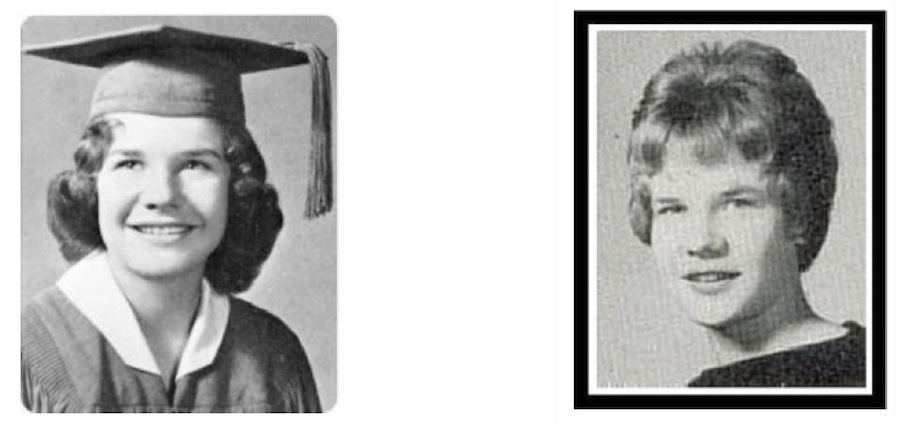
Janis Lyn Joplin was born to loving parents Seth and Dorothy Joplin in Port Arthur,Texas on January 19, 1943. Janis had a happy family life, yet she was very shy when it came to relating to others outside the home. She never seemed to quite fit in with the other girls at school. Janis wasn’t pretty enough to be one of the “popular girls”. She was awkward and different. At Thomas Jefferson High School in Port Arthur, Janis tried fitting in by joining various clubs on campus. As a result, she joined Future Teachers of America Art Club and the Math Club. Janis thought she’d finally become popular and likable, but her superior intellect far outshone that of her fellow students further alienating Janis from her biggest desires to belong, to be liked, and maybe even to be loved.
In those early days, Janis took out her sadness and frustration out in her art. She was always drawing or painting. Janis also loved music only not the type of music her classmates enjoyed. Janis went for the Blues. She loved the black singers’ songs about hard work, loss, and pain. As she got more and more into the Blues Sound, Janis’ appearance began to change radically. She teased her frizzy hair up high and wore all dark clothing. Janis was being led to the “Beat Scene”.
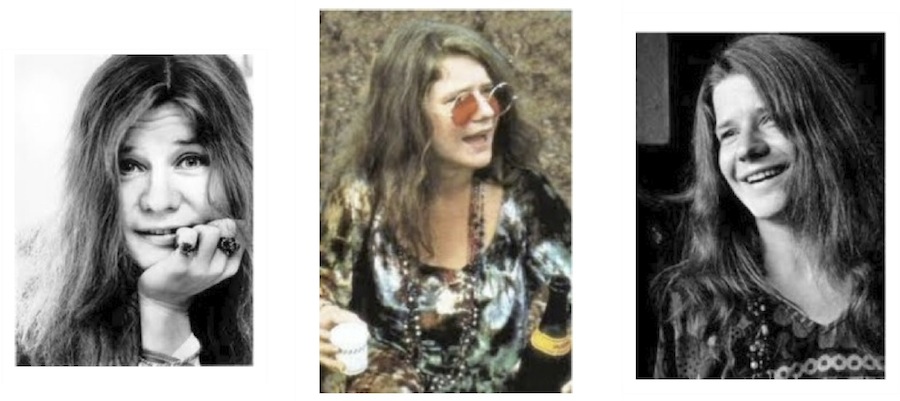
 She found friendship with five smart, intellectual-type boys at school. Though highly intellectual, these boys were also major non-conformists. They marched to a different beat, and Janis fit right in. Janis finally had some confidence, and she started speaking up in class about equality for blacks and civil rights in general. Boys at school would follow her around throwing pennies at her and shouting “nigger lover”, but Janis didn’t care. She had her tightly knit group now. Janis and the boys would travel all over — hanging out in coffee houses and going to concerts. They drank heavily and even dabbled in drugs (mostly speed). One day they were returning home to Port Arthur and Janis was singing along with the car radio. One of the boys remarked, “Damn, you can SING!” Janis giggled and said, “Yeah, I guess I can!”
Janis graduated from high school in June 1960. In the fall, she attended a technical college and learned “keypunch” an early cousin to computer programming. Janis’ mother, Dorothy, knew Janis wanted a life outside Port Arthur, outside Texas, and thought Janis could get a good job just about anywhere with her technical skills.
Janis went to live in Los Angeles under the watchful eyes of her mother’s two sisters. She got a job as a keypunch operator for the telephone company in L.A. Soon the 9-5 grind got tedious for Janis who longed to live the total Beat life on her own even if it meant struggling to make ends meet.
One day while traveling on the bus, Janis struck up a conversation with a fellow traveler. She learned this man lived in Venice Beach. On a lark, Janis passed her stop and went with him to Venice. There Janis found the artistic freedom she craved. Creativity and expression of freedom not to mention drugs and alcohol were seen as portals to heightened experience and deeper understanding of life. In Venice, Janis found a ramshackle place she could afford on her own, and there she settled in happily singing and playing guitar at local coffee houses. This lasted only a short while though as Janis felt stifled in L.A. She’d heard of a larger Beat community in San Francisco’s North Beach area. So she went up there to check out the scene. There she befriended a fellow artist who was a doorman at the Fox and Hound Coffee House.
The first time Janis showed up to sing there she wore a WWII bomber jacket, Levis, and a blue work shirt. She had a cigar dangling from her mouth. Janis went from not fitting in to standing OUT in a big way!
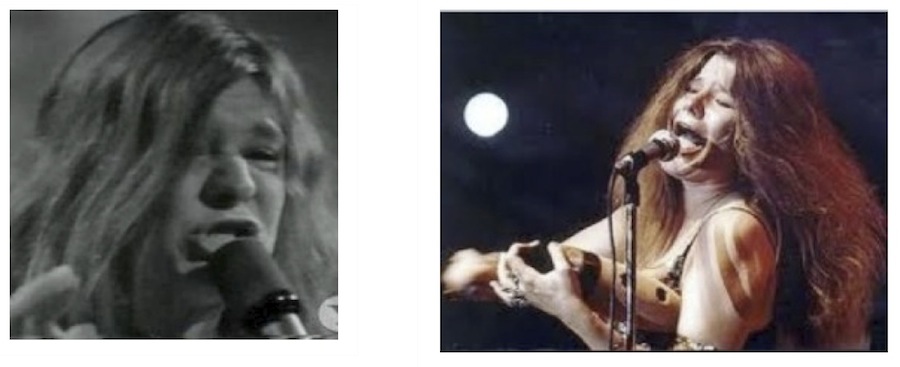 Janis wasn’t making enough money to support herself so she went back to Port Arthur in December, 1961. She shocked everyone with her clothing style — newfound “California Swagger” and aggressive ways. In retrospect, this was Janis’ way of covering for the fact that she didn’t make it on her own in California and also to mask her massive insecurities.
Restless, Janis soon discovered that she couldn’t stay home for long so she followed a few friends to Austin and the University of Texas in the summer of 1962. There she was voted “ugliest man on campus”. Janis treated this as a joke, but in a letter home to her parents, she asked how people could be so cruel. Austin had a very strong music scene — mostly country, bluegrass, and folk. Janis joined a band and became very popular in Austin.
Janis bragged to friends about her many sexual escapades in California, but truth be told, this was much exaggerated as part of the whole Janis’ character she was trying so hard to convey. One night while Janis performed at an Austin club, a music promoter from San Francisco approached her and talked her into trying the San Francisco scene once again. She was promised an enthusiastic audience as the scene there evolved into a pre-hippie mode. Back in San Francisco, Janis became hugely popular as promised.
Musicians didn’t make much money, but they were allowed to “pass the hat” at the end of each performance. Janis’ hat always filled to the brim each and every night. A fan offered Janis a free place to live — a basement apartment Janis shared with a friend, fellow artist, and kindred spirit, Linda Gottfried. It was at this point that Janis began drinking heavily. She considered drunkenness as an aid to personal spontaneity and total freedom. She also began taking a large amount of speed because it was cheap and seemed to counter balance the alcohol effects. Janis was functioning but never sober.
By 1965, Janis was in love with a speed freak named Peter de Blanc. Shortly after they became engaged, Peter was hospitalized for speed-induced psychosis. This was enough to scare Janis straight for the time being. Once released from the hospital, Peter helped Janis buy a bus ticket back to Port Arthur promising to join her there shortly. Janis went home and began planning her wedding. She gave up the radical look and seemed to embrace the traditional lifestyle she’d rejected for so long. She even enrolled in a “poise” class in summer school. Janis also began seeing a therapist to whom she admitted trying various drugs while in California.
In addition to the constant use of alcohol and speed, she also experimented with Quaaludes and Demerol to help come down off the speed. During this time, as Janis waited for de Blanc, she didn’t even take a drink. Peter de Blanc wrote to Janis and even visited Port Arthur once. It gradually became clear that de Blanc was seeing other women. So Janis called the marriage off and began seeing other men.
In the summer of 1966, Janice was asked to sing for a San Francisco band called “Big Brother and the Holding Company”. Janis had been sober for 12 months and was confident she now could withstand the California drug culture. The San Francisco scene had changed markedly while Janis was away. The Beats had paved the way for the new Bohemians, the hipsters now known as “hippies”. Free Love was all the rage along with mass quantities of drugs and alcohol. Janis was known to enjoy the sexual company of both men and women. She was comfortable with her bi-sexuality and communal living. LSD or Acid was fairly new on the scene and was still legal until possession became a misdemeanor in October 1966. In the music scene, folk and blues had given way to psychedelic rock.
Big Brother and the Holding Company were known for their “freak rock” music. Loud and raunchy, Janis fit right in. It was a perfect fit for all, and six days later, Janis was in the band. At this point, Janis was simply one of the guys not yet touted as a star.
The band along with their extended families all moved to a large hunting lodge in Lagunitas, north of San Francisco in Marin County. There the band could rehearse any time they wanted without bothering anybody else except maybe the Grateful Dead who had a lodge down the road. They were unlikely to mind!
Those were very happy times for Janis. She began seeing Joe McDonald of Country Joe and the Fish. Janis took Joe to her apartment in the Haight-Ashbury neighborhood — the Mecca of hip in those days. There, Joe saw a softer side to Janis. Her apartment was warm and welcoming filled with Victorian “fru fru”, velvet couches, and ornate antiques. From there, Janis and Joe would call local radio stations and request their bands’ songs be played. Then they’d sit back and listen, basking in their newfound fame.
However, with fame came pressure from fans for Janis to get wilder and louder on stage. She started doing drugs again — this time heroin, always mixing with alcohol, her favorite being Southern Comfort. With this combination Janis felt she was invincible — whatever inhibitions she once had no longer existed. Janis fed off her fans’ feeding frenzy. They wanted to see her get crazy on stage– the wilder the better. Janis gave them what they wanted and then some.
Big Brother and the Holding Company were known primarily for their concerts and not their record albums. It was the visual of Janis doing her thing that attracted the fans. By 1967, thousands of young people were pouring into San Francisco. The vibes of peace, love, and harmony were alluring to young folks in an uncertain world. The highlight of the year was the “Summer of Love” which officially began in June with Big Brother and the Holding Company among the acts at the Monterey Pop Festival. As she skipped onto the stage, Janis looked like any other hippie chick: Peasant top, blue jeans, long frizzy hair framing her face. But when she started singing, she blew everyone away with her voice that concurrently purred and wailed sending shivers through the crowd.
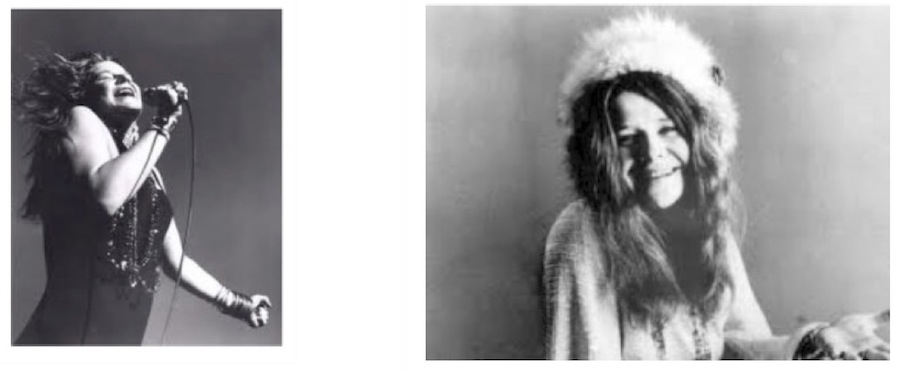 Cass Elliot of the Mamas and the Papas sat in the front row. After hearing Janis sing “Down On Me”, Cass sat stunned mouthing one word over and over again: “WOW!” With this performance, Janis Lyn Joplin became a mega star. For Janis, Monterey was a harbinger of fame and fortune changing the history of women in Rock and Roll forever. When the festival was over, Janis partied with members of the Jefferson Airplane, Grateful Dead, and Jimi Hendrix. Everybody was drinking whiskey, smoking pot, and dropping acid — Hendrix more than anyone.
As her band’s fame grew to epic proportions so did their checkbooks. Janis began a life of outlandish opulence and luxury. She drove a psychedelic Porsche around San Francisco where fans and friends would always leave notes under the windshield wipers wherever the car was parked. Janis wore the finest “threads”: silk, satin, feather boas, beads, and bangles.
While touring with the band, Janis would hang out in the streets and park with fans. She also began partying with members of the Hells’Angels — a motorcycle gang that often provided “security” for concerts. While music was her life force, audience’ adulation fed Janis’ restless spirit. Peter Albin was leader of Big Brother and the Holding Company and also the band’s spokesperson. Janis started vying for that role which caused discord among the band members. Suddenly, the band took a back burner to the sensational chick singer, Janis Joplin. Interviewers and media were only interested in talking to Janis not to the band as a whole.
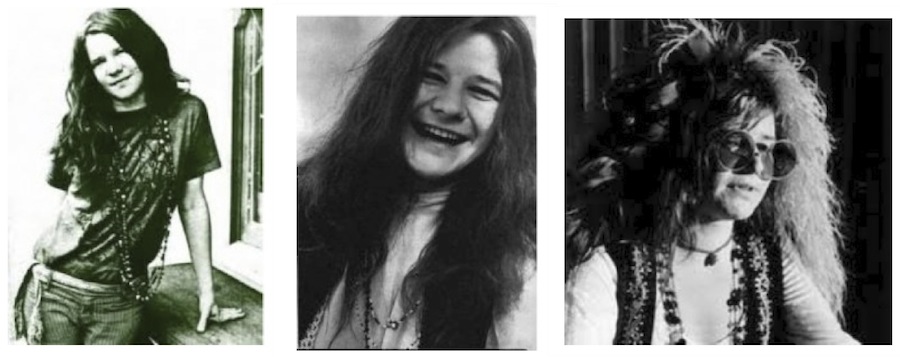 Riding high on the band’s strong reviews, manager Albert Grossman scheduled a U.S. tour that began in February of 1968. Right before the tour began, he changed billing. From now on the band was to be known as Big Brother and the Holding Company featuring Janis Joplin. Janis was the big draw and everybody knew it. Later that year, while in the studio working on the album, “Cheap Thrills”, the whole ethic of the band began to unravel. Trying to wedge their experimental sound into a tight album format was failing. As Janis was dead-on every take, the increasingly unhappy band members kept making mistakes. Out on the road, the world had turned ugly. The ideals and values of the “Summer of Love” were badly shaken as the war in Viet Nam raged on, and the civil rights movement reached a fevered pitch, but the band played on. Now known as Janis Joplin and Big Brother and the Holding Company, the whole band was so unhappy at this point that they all started shooting heroin just so they could stand to be on stage together.
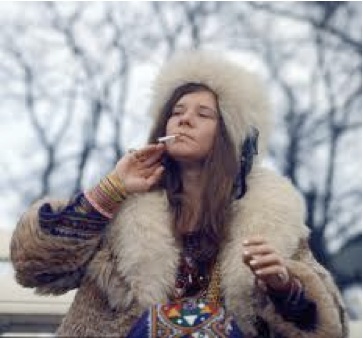
Janis had outgrown Big Brother. Janis was torn as she’d been with the same band for so long and became famous with this group. Sadly, Janis knew she had to move on. Rolling Stone magazine described Big Brother as “messy and a general musical disgrace”. The album, “Cheap Thrills”, was certified gold before it was even sold on the market. The pre-order sales were off the charts. Unfortunately, it was already too late as Janis announced she was leaving the band in the summer of 1968.
Janis formed a new band called the Kozmic Blues. With only 3 weeks to prepare for their debut, the group didn’t have enough practice or time to get to know each other. They failed to work well as a group. This pushed Janice even deeper into drugs and alcohol. She became very depressed, and she missed the camaraderie she had with her bandmates in Big Brother. In the year that Janis toured with Kozmic Blues, the band received cool welcomes at U.S. concert venues. The reviews were a bit kinder in Europe, but not much. It was obvious that Janis was unhappy, and the band was mechanical in backing her up. During this time, Janis was constantly high. She became cocky and rude, completely out of control in public on a regular basis. With her outrageous rock-star antics, it was hard to believe that Janis was actually a very intelligent, well-read person. However, those in the know-knew. Janis actually had her own production company, Strong Arm Music. She’d performed over a hundred live concerts in three years and had the forethought to create a corporation, “Fantality” to merchandise fan memorabilia.
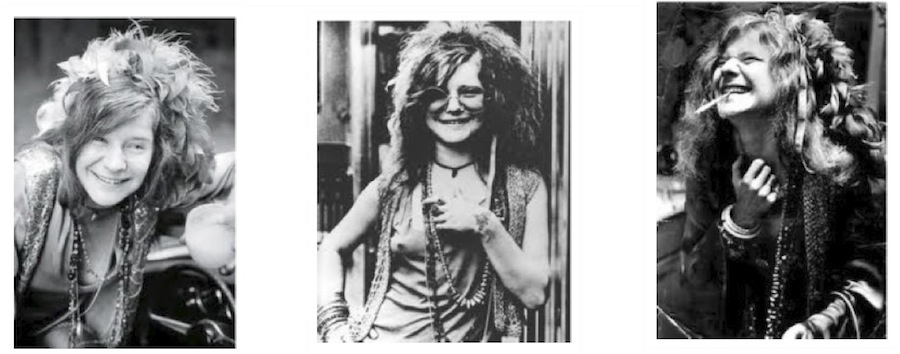 Then came Woodstock. The days of August 15-17, 1969 would go down in history as the biggest musical extravaganza ever. Janis was right there, seemingly happy for the first time in a long while amidst a slew of fellow rock stars such as Jimi Hendrix and Joe Cocker. Kozmic Blues toured heavily throughout the rest of the year. Janis pushed herself harder and harder begging her fans to get up and dance with her. As she poured her soul out to the crowd, they rewarded her with the adulation she so badly needed. By the end of 1969, it was a year marked by profound highs and devastating lows.
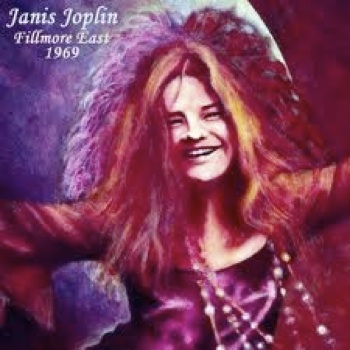
Janis knew she needed a break. She found it in a new home in the mountain community of Larkspur, California where she moved in December of 1969. Janis decorated her new home much in the same fashion as her Haight-Ashbury apartment — Victorian knick knacks, velvet furnishings, lots of stained glass, and Oriental rugs. Kozmic Blues disbanded at the beginning of 1970.
Worn out, Janis began to plan her first real vacation with a friend. They decided to go to the Carnival in Rio. Janis kicked heroin cold turkey and fell in love with a man named David Neihaus. Her plan was to return home with Neihaus, but he was detained due to a lapsed visa. Janis let her upset become an excuse to use heroin again, and when Neihaus showed up two days later, Janis was high and planning another tour. The couple agreed they each wanted different things from life so they parted ways.
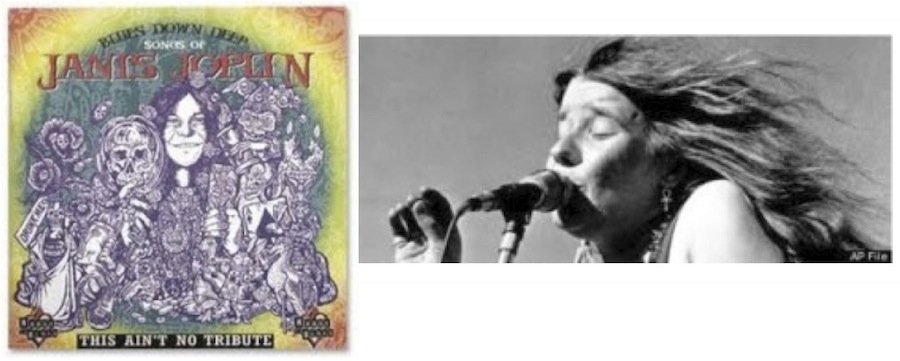 Janis connected with singer and movie star, Kris Kristofferson, at a party one night which became a three-week, drinking-drugging binge. Janis had formed a new band called “Full Tilt Boogie”. This band had a stripped-down, sound design to showcase Janis vocals. Janis continued to see Kristofferson, who even moved in with her for a brief period of time. One night, he sang her a song he’d written called, “Me and Bobby McGee”. Janis included the song on the playlist for her new album, “Pearl”. Though their romance fizzled, Kristofferson had unknowingly given Janis what would become her most famous song. Janis loved the idea of being in love, but her drive to perform and insatiable need to connect with her fans far outweighed any one personal love affair.
In June 1970, Janis appeared on the Dick Cavett Show with Full Tilt Boogie. Janis announced on the show that she was going back to Port Arthur for her ten-year high school reunion. Janis’ career was at an all-time high though her alcohol and drug abuse was starting to show. Her face became muddled and puffy. She’d gained weight, which she tried to cover up with ever more flamboyant costumes.
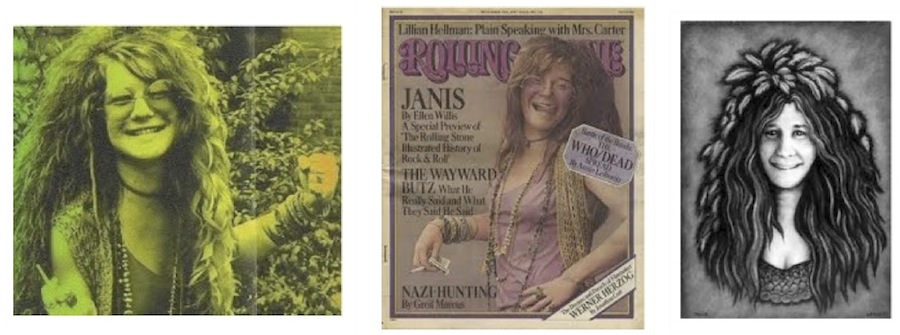 In September of 1970, Janis and Full Tilt Boogie began studio rehearsals for the new album, “Pearl”, named after African-American singer and actress, Pearl Bailey. In what was to become one of her last interviews, Janis was asked why she worked so hard. She replied: “It sure as hell isn’t for the money.” She went on to say: “At first it was to get love from the audience, but now it’s to be able to go as far as I can go — to reach my full potential.” Sadly, Janis had her demons. They lurked right out of sight waiting in the wings to pounce.
Janis had been rehearsing a song called, “Buried Alive in the Blues”. She planned to record it the next morning. Tired, drunk, and alone in her room on the night of October 3rd at the Landmark Hotel, Janis shot her last dose of heroin. Right after, she went to the lobby and bought a pack of cigarettes, went back to her room, and sat down on the bed. A few minutes later, shortly before two in the morning, Janis slumped over, wedging herself between the bed and the nightstand. When she failed to show up for rehearsal that morning, John Byrne Cooke drove to the Landmark and found Janis dead of an accidental overdose of heroin mixed with alcohol. Janis Joplin was 27 years old. Her obituary in Time Magazine reported: “She died on the lowest and saddest of notes.”
A stage play “Love, Janis” (based on the book of the same name) written by Janis’ sister Laura Joplin, features some of Janis’ iconic performances and also excerpts from some of the letters she wrote home to her family over the years. It’s a revealing look at the different sides of Janis Joplin. The wild-eyed rock star versus the sweet, loving sister and daughter. Janis was inducted into the Rock and Roll Hall of Fame on January 12, 1995.
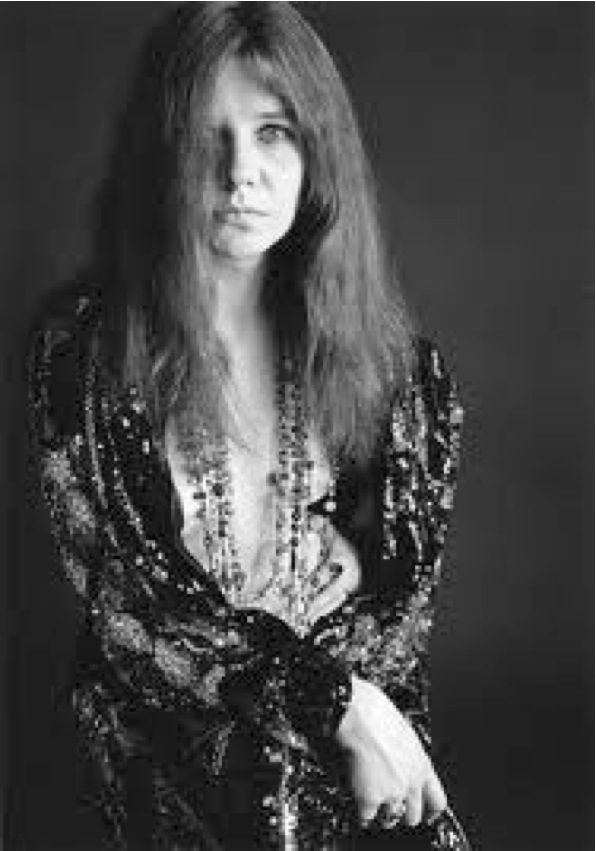
My Aunt Inez Price was Janis’s boss at the phone company she worked
for in Lost Angeles. My aunt said she always, always had a guitar with
her, slung over her shoulder. She said she always had to remind her to
shave her legs!